The Benefits of Cancer Coaching After Treatment
For months, your calendar was full of appointments. Scans, infusions, surgeons, nurses who knew your name. Then treatment ended, and almost overnight, the support disappeared.
You were told you're done. So why does it feel like you're on your own?
That quiet gap after treatment is real. Many women leave active care still carrying fatigue, body changes, and worry they can't put down. Fear that cancer will come back is one of the most common worries. In a large review of more than 9,000 survivors, more than half scored above a common screening cutoff for fear of recurrence (Luigjes-Huizer et al., 2022).
The system saved your life. It didn't show you how to rebuild it. This is where the right kind of coaching can help, and where the wrong kind can leave you right where you started.
What cancer coaching is, and what it is not
At its best, cancer coaching is a structured partnership for the phase after treatment. Someone listens to your whole story, helps you understand what your body is telling you, and builds a plan with you that fits your real life.
It is not a pep talk. It is not a generic meal plan or a list of tips you could find online. And it does not replace your oncologist, therapist, or primary care team. Good support works alongside them.
The difference matters because what you are facing is not general wellness. It is post-treatment reconstruction: energy, hormones, sleep, digestion, body image, and identity, all shifting at once. That calls for someone who understands both the medicine and the woman living inside it.
What the research shows
The evidence for structured support after treatment is growing, and it is honest about its limits.
In a 2024 randomized trial, breast and colorectal cancer survivors who received health coaching plus a wearable activity tracker moved more and reported better overall quality of life than those who did not (Hardcastle et al., 2024). The program was delivered remotely, which matters for women who can't easily get to in-person programs.
A 2025 review of 32 randomized trials with more than 5,500 survivors found something equally useful. Lifestyle programs built around exercise improved mental well-being, but the effect was small. Programs that paired exercise with support for emotional well-being did better (Mármol-Pérez et al., 2025).
That finding reflects what many survivors already feel. Movement alone is not enough, and talking alone is not enough. Recovery tends to work best when body and mind are supported together, in a plan built for you.
What a strong recovery program should include
If you are considering support after treatment, look for a program that addresses the whole picture, in an order your body can handle:
Nervous system first. A body still on high alert struggles to heal. Calming it is the foundation, not an extra.
Root causes, not only symptoms. Fatigue, poor sleep, and weight changes are messages. A good plan asks why they are happening.
Gut, hormones, and metabolism. Treatment affects all three. Support should be specific to your history, including hormone-blocking medication or treatment-induced menopause.
Movement that matches your capacity. Built around where your body is today, not where it was before diagnosis.
Testing when it helps. Functional labs can take some of the guesswork out of what your body needs.
Identity and meaning. Who you are becoming deserves as much attention as your lab results.
A plan you can actually live with. Sustainability beats intensity, every time.
How to choose the right support
Not all cancer coaching is the same. Before you commit, it is fair to ask:
What is your training, and do you have clinical experience in oncology?
Is your approach based on current research, and can you show me the evidence?
Will my plan be built around my history and treatment, or is it the same for everyone?
How do you work with my medical team?
What will I be able to do differently at the end?
The right person will welcome these questions. You deserve support that is warm and also grounded in real expertise.
You don't have to do this alone
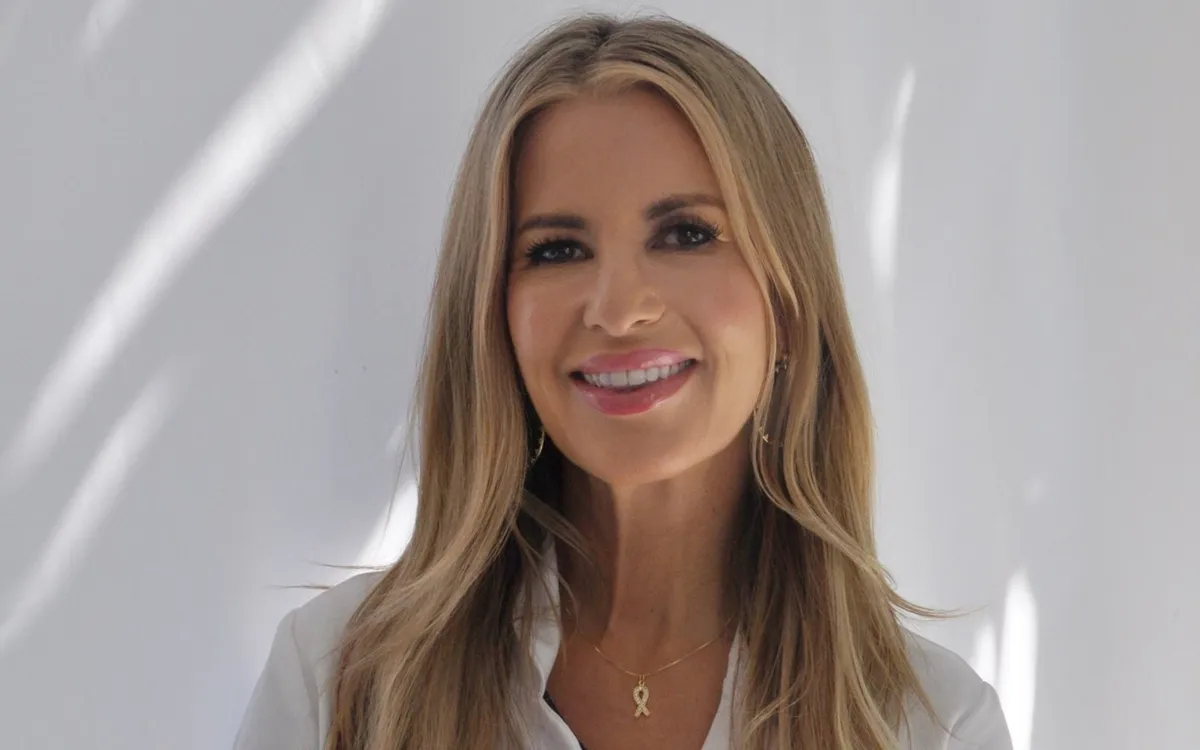
I specialize in the phase that no one prepares you for. After seven years at Banner MD Anderson Cancer Center and training in integrative and functional medicine, I built the Rise Above Reset to be the structured recovery plan you were never given.
Over six weeks, we work through your nervous system, body and rhythm, gut, energy, hormones, and identity, with a plan personalized to you. You can choose 1:1 private coaching or a small group of up to 10 women. Same method, your choice of setting.
If this sounds like what you have been looking for, I would love to hear your story. Book a free discovery call or learn more about the Rise Above Reset.
This post is for education and is not medical advice. Please make decisions about your care with a qualified provider, and seek prompt medical attention for anything urgent or worsening.
References
Hardcastle, S. J., Leyton-Román, M., Maxwell-Smith, C., & Hince, D. (2024). Impact of the Promoting Physical Activity in Regional and Remote Cancer Survivors intervention on health-related quality of life in breast and colorectal cancer survivors. Frontiers in Oncology, 14, 1368119. https://doi.org/10.3389/fonc.2024.1368119 (Evidence level: good, randomized controlled trial)
Luigjes-Huizer, Y. L., Tauber, N. M., Humphris, G., Kasparian, N. A., Lam, W. W. T., Lebel, S., Simard, S., Smith, A. B., Zachariae, R., Afiyanti, Y., Bell, K. J. L., Custers, J. A. E., de Wit, N. J., Fischer, P. L., Galica, J., Garland, S. N., Helsper, C. W., Jeppesen, M. M., Liu, J., . . . van der Lee, M. L. (2022). What is the prevalence of fear of cancer recurrence in cancer survivors and patients? A systematic review and individual participant data meta-analysis. Psycho-Oncology, 31(6), 879–892. https://doi.org/10.1002/pon.5921 (Evidence level: strong, meta-analysis)
Mármol-Pérez, A., Gracia-Marco, L., Clavero-Jimeno, A., Amaro-Gahete, F. J., Ruiz, J. R., & Carneiro-Barrera, A. (2025). Effects of exercise-based interventions on health-related quality of life in adults after cancer: A systematic review and meta-analysis. Annals of Physical and Rehabilitation Medicine, 68(5), 101954. https://doi.org/10.1016/j.rehab.2025.101954 (Evidence level: strong, systematic review and meta-analysis)
